Your first night in a safari tent rarely starts with sleep. It starts with lying still, listening to a sound you cannot place, and wondering if the thin wall of canvas between you and the Masai Mara is really enough. It is a fair question. Canvas is not stone, and the night noises safari tent sounds bring are loud, close, and completely unfamiliar. This guide breaks down what you will actually hear after dark, and what those sounds mean. It also explains why camps across Kenya work, because animals hear, smell, and avoid you long before you ever see them.
Night Noises Safari Tent Sounds: What You’ll Actually Hear After Dark
Sound carries a long way across open savanna, especially after the wind drops around 9pm. A noise that sounds like it is at your tent flap is often 500 meters away or more. Here is what most guests report hearing in a typical night at a Masai Mara or Amboseli tented camp.
| Sound | What’s making it | How far it usually carries |
|---|---|---|
| Deep, rhythmic roaring, often four to six calls in a row | Male lion marking territory | Up to 8 km on a still night |
| A rasping, sawing grunt, like a hand saw through wood | Leopard | 1 to 2 km |
| Rising whoops and cackling laughter | Spotted hyena | 3 to 5 km |
| Low grunts and honking, often near water | Hippo grazing or moving between pools | 200 to 500 meters |
| A deep, rolling rumble, almost felt more than heard | Elephant, especially at low frequencies | Several hundred meters |
| Sharp, repeated “chuck-chuck-chuck-weer” | Nightjar | Close, often right outside camp |
| A constant background hum or chirr | Crickets, cicadas and frogs near a river or marsh | Ambient, all night |
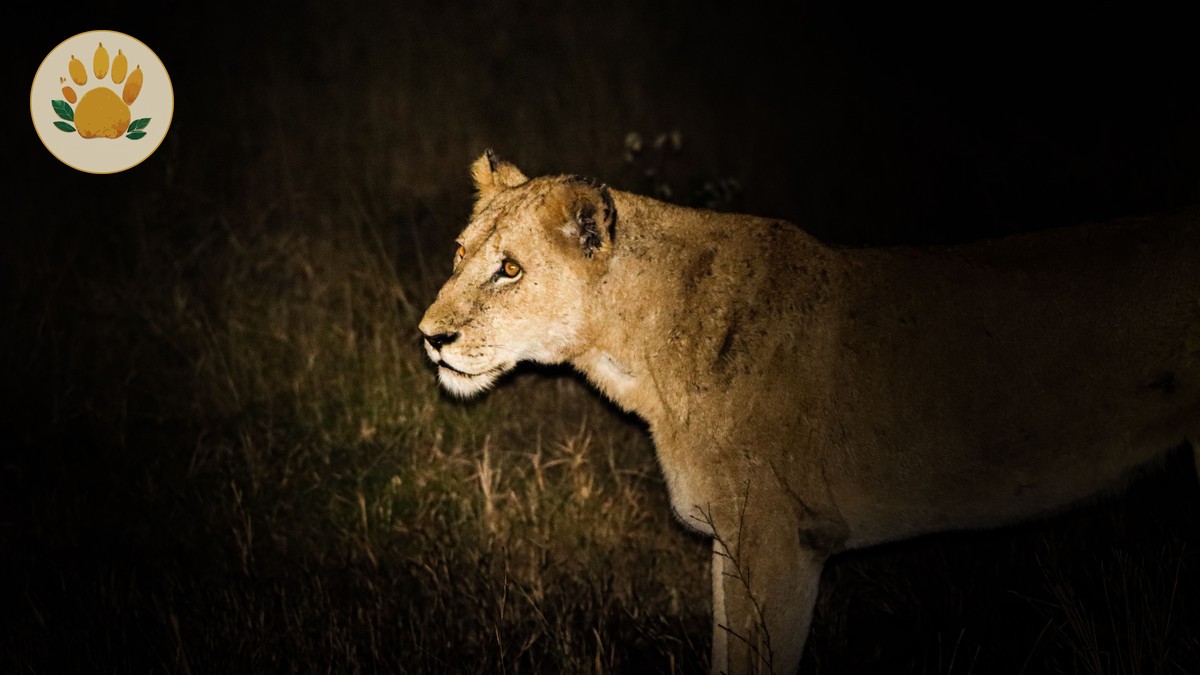
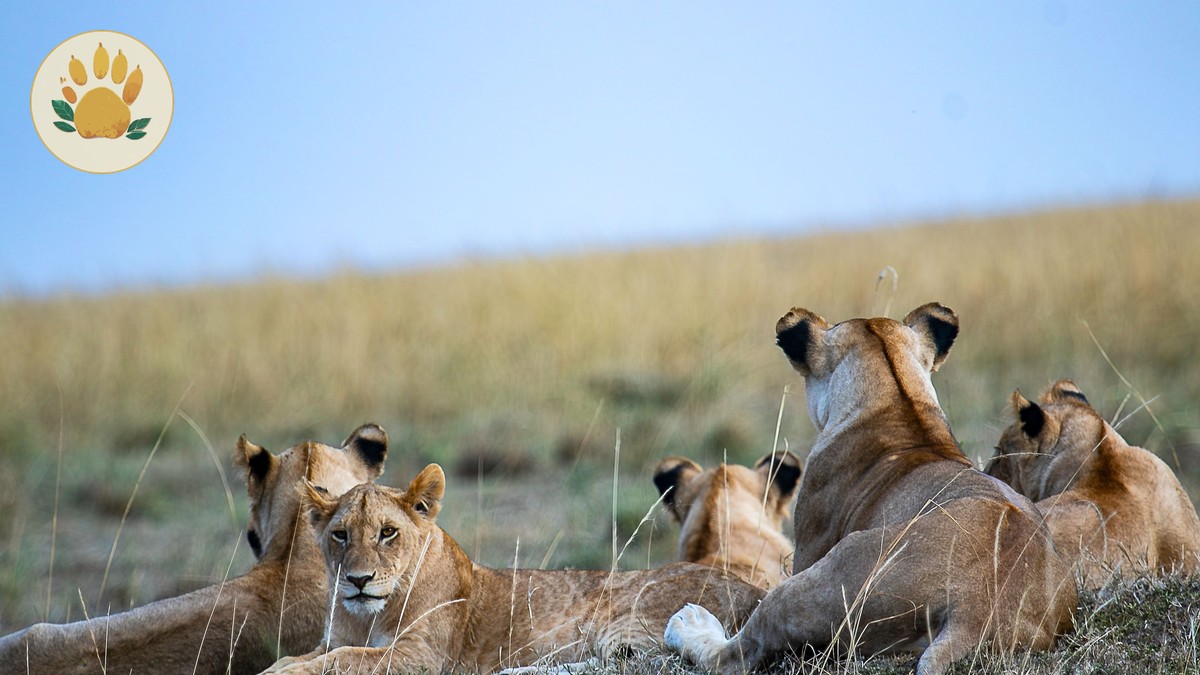
The lion roar is the one that unsettles people most. It is also the one you are least likely to have anything to worry about. Lions roar to tell other lions where they are, not to announce a hunt. A roar close enough to shake the tent poles is dramatic. It almost always means the lion is walking past on its usual route, not stopping.
Is It Actually Safe to Sleep in a Safari Tent?
Yes, and the record backs this up. Reputable tented camps in the Masai Mara, Amboseli and the private conservancies around them have operated for decades. They are not known for guests being pulled from tents. Serious incidents are rare. They almost always trace back to a guest leaving a tent alone at night without an escort. It is rarely an animal breaching the canvas on its own.
Camps are built with this in mind. Staff walk the grounds after dark, and tents are pitched away from obvious game paths and water access points. Most camps in the Mara ecosystem also keep a low profile overnight, with fewer artificial smells and sounds to draw curious animals in. None of this makes a lion roar less startling. It does make it far less dangerous than it sounds.
Why Animals Don’t Approach Occupied Camps
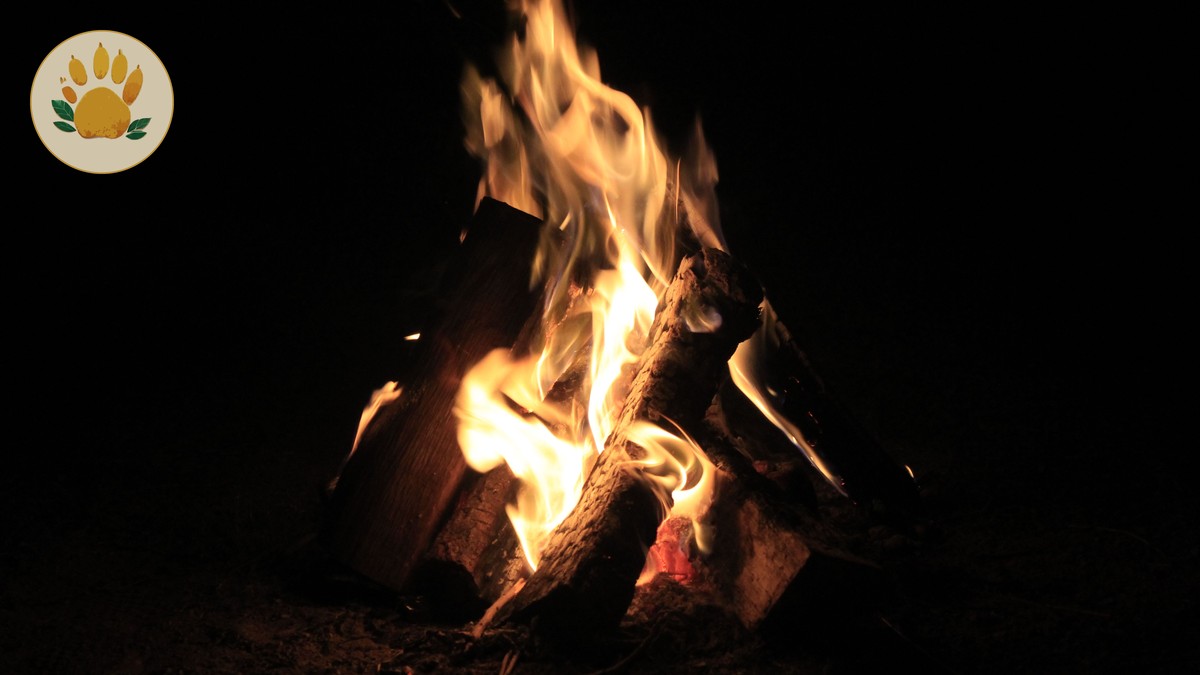
Wild animals are cautious by default. A camp with human scent, low fires, generator hum and staff moving between tents reads as occupied territory. Most predators will route around it rather than through it. Hyenas will scavenge at the edge of camp if food is left out. That is why camps are strict about not keeping snacks in your tent. Lions and leopards, by contrast, tend to avoid the noise and light of an active camp altogether.
This same logic scales up to the wider landscape. Around the Masai Mara, several community conservancies use the same principle at a larger level, protecting both livestock and tourism income. You can read more about how Maasai conservancies keep predators away from camps at night. These conservancies use thorn fencing, livestock enclosures and coordinated herding rather than any kind of physical barrier around each tent.
Canvas Walls Mean No Soundproofing
Here is the honest part most guides skip. Canvas keeps weather out and gives you privacy from view, but it does nothing for sound. You will hear your neighbors zip their tent, hear camp staff on the walkway, and hear every animal call as if there were no wall at all. This is simply how tented camps work, whether you are paying USD 300 a night or USD 1,200 a night. If you are a light sleeper, it is worth planning for this rather than being surprised by it.
What to Do If You Hear Something Outside Your Tent
Stay inside. This is the single most important rule at any tented camp. Do not unzip the tent to look, and do not shine a torch through the mesh window at a sound. Animals moving through camp at night are usually just passing through, following a familiar route to water or grazing. If a sound is close and does not move on, use the radio or air horn in your tent to call camp staff. Do the same if you are genuinely concerned. Every reputable camp provides one.
Staff Escorts and Night Protocols
This is where camps earn their safety record. From dusk until the following morning, guests are not meant to walk between their tent and the main mess area alone. Instead, a staff member with a torch and, at many camps, a radio, walks you to and from your tent on request. Some camps use a whistle system: one blast from your tent brings a guide within minutes. Others assign a dedicated night watchman who patrols the tent line on a fixed loop. Ask your camp what their specific protocol is at check-in. It varies slightly from camp to camp, but the principle is constant: you should never be walking through camp grounds unescorted after dark.
Are Tented Camps Safe for Kids and Families?
Generally yes, with a few adjustments. Family tents at most camps are either interconnected or pitched next to each other, so parents are never far from children overnight. Brief your kids on the same rule adults follow: no unzipping the tent at night, and call for staff using the radio or horn if anything feels off. Younger children who wake easily at unfamiliar sounds may need reassurance the first night or two. Most children adjust quickly once they realize the sounds are simply part of the setting, not a threat reaching the tent.
Sleeping Better in a Safari Tent
A few small habits make a real difference to how well you sleep.
- Pack earplugs. This is the single most effective fix for light sleepers, and it is easy to forget until the first night.
- Choose a tent away from the camp’s water pump or generator if you are offered a choice at check-in.
- Keep a small torch by the bed rather than relying on your phone, since battery and signal are often limited in the bush.
- Avoid tents pitched right next to a river or waterhole if hippo grunts are likely to bother you, though these tents often have the best daytime views.
A small torch, earplugs and a basic sense of camp layout cover most of what matters for a comfortable first night. For a fuller list of what else to pack for your first night in a safari tent, see our safari packing and first aid guide.
Choosing Your Camp: Permanent vs Mobile
Where you stay changes what you hear and how the camp is run at night. Permanent camps have fixed infrastructure and a settled staff routine. Mobile camps move with the wildlife and migration but keep the same core safety protocols.
| Camp | Location | Distance / access from Nairobi | Indicative price per night (USD, per person) |
|---|---|---|---|
| Kicheche Bush Camp | Mara North Conservancy | Around 45-minute flight from Wilson Airport | USD 450-650 |
| Angama Mara | Oloololo Escarpment, Masai Mara | Around 45-minute flight from Wilson Airport | USD 900-1,400 |
| Porini Amboseli Camp | Selenkay Conservancy, Amboseli | Around 4 to 5-hour drive, 240 km | USD 400-550 |
| Tortilis Camp | Kimana area, on the Amboseli border | Around 4 to 5-hour drive, 240 km | USD 600-900 |
Park fees add to the cost of your stay. The Masai Mara National Reserve is run by Narok County rather than KWS. It charges non-residents USD 100 per adult per day from January to June, rising to USD 200 from July to December during peak migration season. Amboseli National Park charges USD 90 per adult per day year-round. If you are still deciding where to base your trip, see our guide on choosing between Amboseli and the Masai Mara for your first tented safari. It breaks down the trade-offs beyond just the sounds at night.
The SafariPure Difference
We only book camps we have stayed in ourselves. That means we can tell you honestly which tents sit closest to a hippo pool and which ones are quietest after 10pm. Every SafariPure itinerary includes a clear briefing on night protocols before you arrive. You will know exactly how your specific camp handles escorts, radios and after-dark movement, rather than hearing a generic safety talk on your first evening. We plan tent placement around your group, not just availability. A family with young children needs a different setup than two friends chasing the best dawn light.
Plan Your First Night in the Bush
The noises are part of what makes a tented safari worth doing. Once you know what a lion roar actually means and how camp staff handle the rest, the sounds usually stop feeling worrying. Most first-time guests find they become the best part of the trip. If you are ready to plan a Masai Mara or Amboseli safari, we will walk you through every detail before you go. Get in touch through our contact page and we will start building your itinerary.